Copper and Zinc Sulfates: Key Reagents in Mineral Flotation Mining
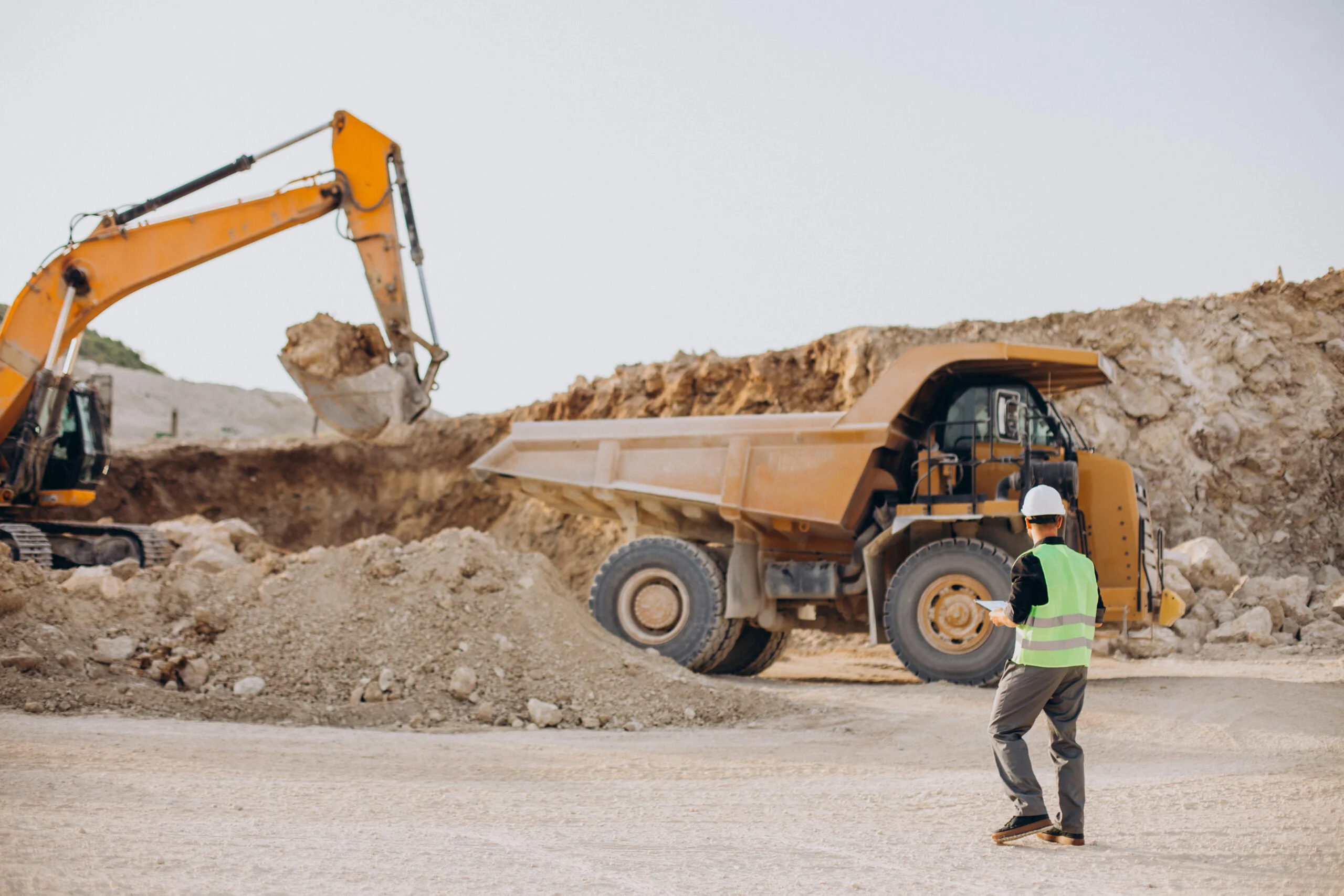
Copper sulfate and zinc sulfate are fundamental components in the mining industry, particularly in the complex and crucial mineral flotation processes. Mineral flotation is the primary method used to separate valuable metallic minerals from the gangue (waste rock).
Copper sulfate acts as an essential activator in the separation of metallic minerals, helping to significantly improve the efficiency in the recovery of non-ferrous metals such as zinc and lead. By promoting the adhesion of desired particles to air bubbles, copper sulfate maximizes the yield of the concentration plant. Furthermore, the purity of the copper sulfate supplied by ZINSA is vital to ensure predictable performance and prevent unwanted side reactions during the flotation process in mining.
Optimizing Extractive Processes through Sulfate Chemistry
On the other hand, zinc sulfate is used extensively in the control and depression of undesirable minerals. This helps to purify and concentrate the valuable minerals, such as molybdenum or copper itself, by preventing specific sulfide minerals from floating. Therefore, the precise application of zinc sulfate is critical for achieving a high-grade final concentrate, which directly impacts the profitability of the mining operation.
Both products are essential to optimize the extractive processes. For instance, in bulk flotation circuits, the combination and precise dosing of these sulfates allow operators to selectively separate minerals, maximizing the overall profitability and purity of the material obtained. In conclusion, ZINSA’s commitment to providing high-quality copper sulfate and zinc sulfate ensures that mining companies worldwide can maintain high recovery rates, meet quality specifications, and operate with maximum efficiency in their mineral flotation facilities.
Related ZINSA Products:
Zinc Oxide
Zinc Sulphate
Zinc Powder

Copper Sulphate
Other Applications

Agriculture
Rubber

Animal Feed

Pharma. & Cosmetics
Chemical Products

Electroplating

Faucets
Loks

Zippers
Mining
Paint