
The Crucial Role of Zinc and Copper in Modern Agriculture
Agriculture is a fundamental human activity where different knowledge regarding land treatment is combined with the objective of producing food of plant origin, such as vegetables, fruits, and cereals, among others. Agricultural methods are classified into various groups according to criteria such as production volume, water importance, means of production, and the technique employed. In this context, soil nutrition is critical for successful agriculture.
Zinc is an essential micronutrient for plants, fundamental for enzyme activity and chlorophyll production. Therefore, it is used as zinc oxide and zinc sulfate in the production of agricultural fertilizers aimed at significantly improving crop yields, enhancing weed elimination, and protecting plants against pests. ZINSA’s zinc oxide guarantees the bioavailability of this element, resulting in more abundant and healthier harvests across large-scale agriculture.
Zinc and Copper: Essential Nutrients for Agricultural Production
On the other hand, copper sulfate contributes to supplying the main functions of copper in the plant, being vital for respiration, photosynthesis, and cellular lignification. Furthermore, it can be applied to all types of crops and in any climatic zone. Copper is a necessary element for correcting soil deficiencies and acts as a preventive agent against various fungal and bacterial diseases that affect crop quality.
Thus, our compounds (zinc oxide, zinc sulfate, and copper sulfate) become pillars of precision agriculture. Consequently, by ensuring the purity and consistency of these micronutrients, ZINSA not only facilitates the manufacture of highly effective agricultural fertilizers but also contributes directly to the sustainability and profitability of farms. In summary, the proper use of these metals is indispensable to ensure complete plant nutrition and protect the farmer’s investment, thereby guaranteeing global food security.


Other Applications

Agriculture

Rubber
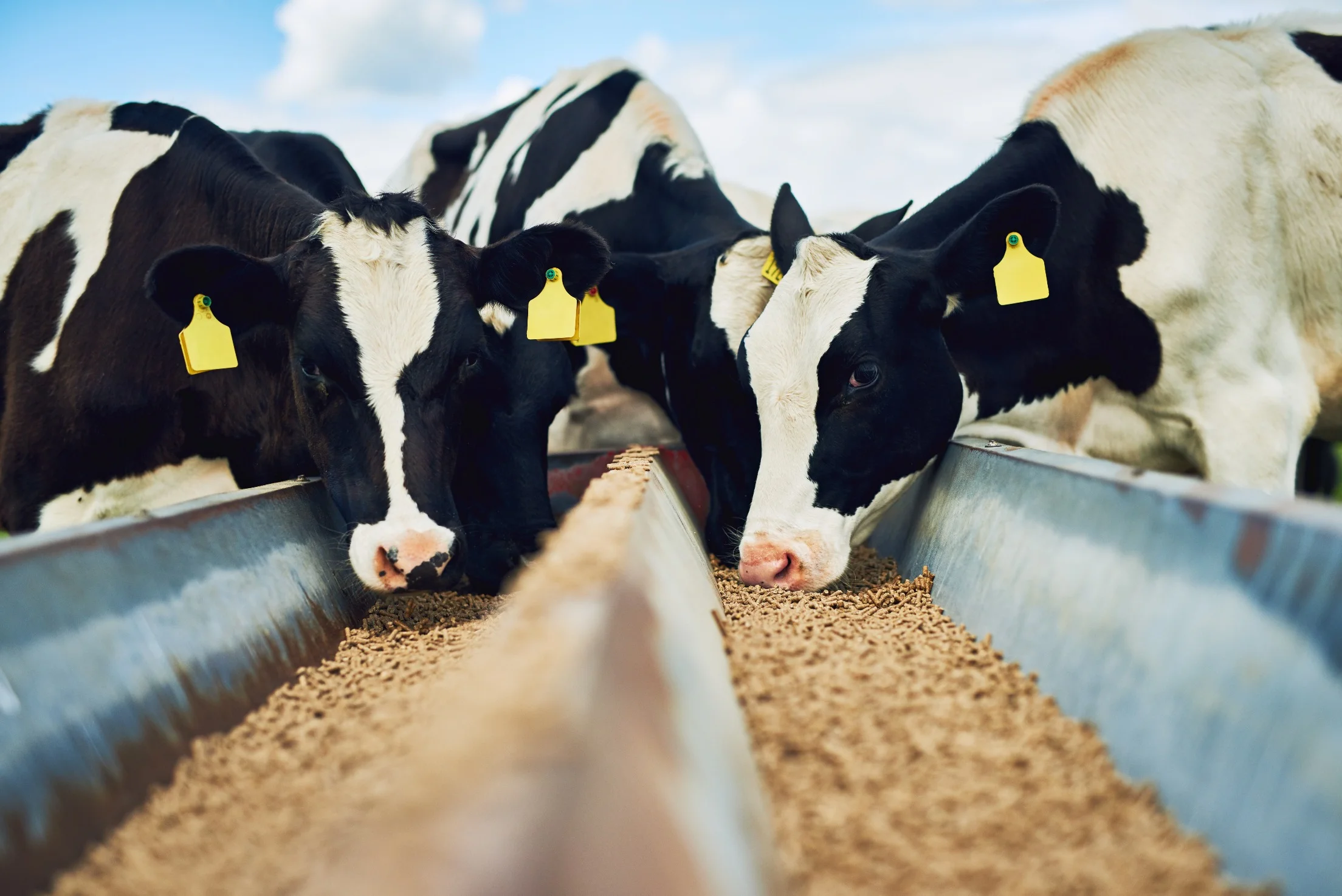
Animal Feed

Pharma. & Cosmetics

Chemical Products

Electroplating

Faucets

Loks

Zippers

Mining

Paint

Water Treatment
Related industrial applications
Explore industrial uses where zinc, copper and other non-ferrous metal solutions support manufacturing, treatment, protection and transformation processes. These related applications help connect each sector with the materials and product families supplied by ZINSA.